Understanding the Process of Lawn Recovery
A lush, green lawn often requires more than just regular mowing and watering. Bare or patchy lawns can be a common problem for homeowners. Factors like weather conditions, pest infestations, and heavy foot traffic can lead to these unsightly areas. The key to restoring your lawn involves targeted methods that promote healthy grass growth. This article will explore various techniques you can use to revive your lawn’s appearance, with a special focus on how specific treatments can make a significant difference.
Why Patches Appear on Your Lawn
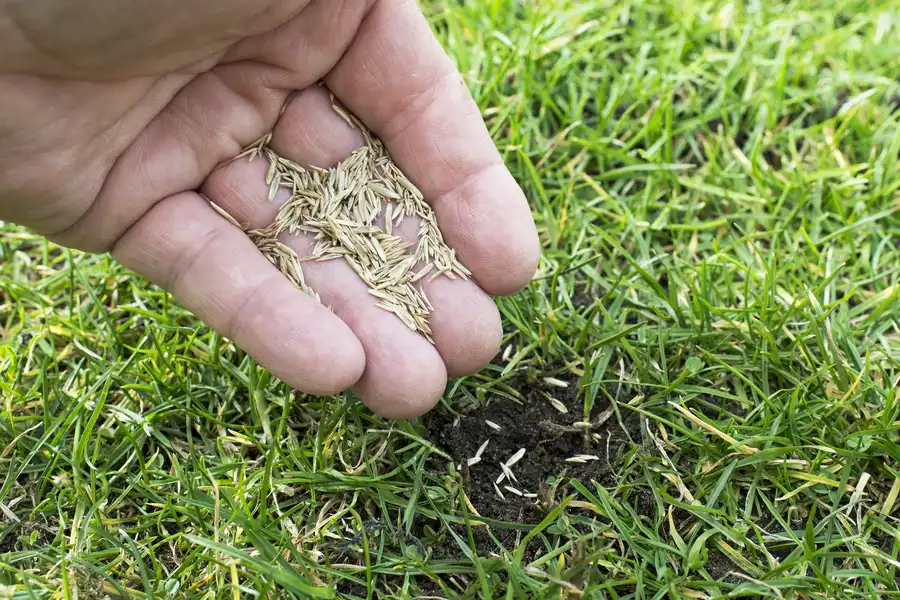
Patches on a lawn are not just an eyesore; they can indicate underlying issues. Poor soil quality is one cause. Without rich soil, grass struggles to grow and thrive. Another reason could be pest damage. Insects like grubs love to feed on grassroots, leaving dead patches behind. Foot traffic also compacts the soil, which limits root growth and access to nutrients.
The Importance of Proper Soil Preparation
Before applying any remedies, it’s crucial to ensure your soil is ready for new growth. Soil preparation might include aerating to reduce compaction. It may also involve adding compost to improve nutrient content. By starting with well-prepared soil, you set the stage for effective seeding efforts.
Effective Grass Seeding Techniques
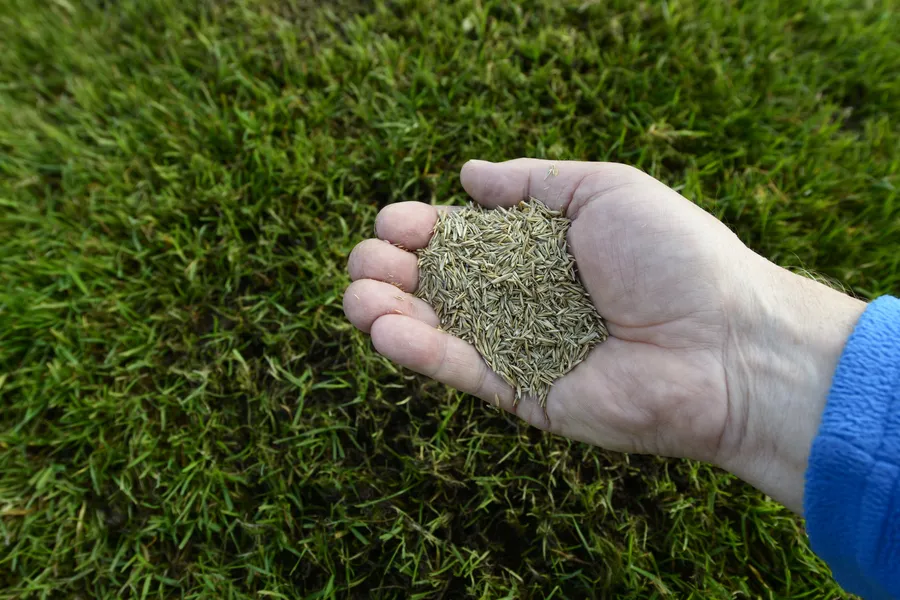
Seeding is one of the most effective ways to repair bare spots in your lawn. The process involves scattering seeds over the affected area to encourage new growth. Different grass types require different care, so choose seeds compatible with your climate. For small patches, hand seeding works well. For larger areas, consider using a spreader for even seed distribution.
Using Alternative Methods for Lawn Repair
Beyond seeding, sod installation offers immediate results but at a higher cost. You place pre-grown grass patches onto the bare spots. This option suits those looking for instant coverage. Another method is overseeding, where grass seeds are scattered over existing grass to thicken it up and fill in sparse areas.
Steps to Maintain New Growth
Once you’ve initiated the repair process, maintenance becomes vital for lasting success. Regular watering is essential during the first few weeks after planting seeds. Frequent monitoring helps catch any signs of pests or diseases early on. Additionally, avoid walking on newly seeded areas to prevent damaging young sprouts.
- Water daily for the first two weeks
- Mow when grass reaches 3 inches tall
- Avoid high foot traffic until fully established
The Cost of Lawn Repair Options
Cost considerations vary based on the method used for fixing your lawn. Seeding is generally affordable compared to other methods like sodding. However, each approach has its value proposition depending on your budget and urgency for results. Investing in quality seeds and soil amendments ensures better outcomes in the long run.
Final Thoughts on Achieving a Healthy Lawn
A beautiful lawn doesn’t happen by accident; it requires careful planning and execution. Whether you’re opting for seeding or another approach, each step plays a role in achieving lush greenery. Our expert team at Ruben Armas Landscaping specializes in lawn care solutions tailored to fit your needs. Located in Sycamore, IL, we understand the local climate challenges that affect your yard. Call us today at (815) 217-7381 to discuss how we can help bring your lawn back to life!